Which Yoga Style Should a Beginner Choose? A Plain Comparison
The style names on a studio timetable are the biggest barrier between a beginner and their first class, and almost none of them describe what happens in the room.
Here is the plain version: what each one feels like, what it is good at, and which ones to leave until later.
The comparison, at a glance#
| Style | Pace | Best for | Beginner-friendly |
|---|---|---|---|
| Hatha | Slow, held poses | Learning the poses properly | Yes — the standard recommendation |
| Vinyasa / flow | Continuous | Stamina, strength, enjoyment | After 4 to 8 weeks |
| Yin | Very slow, 3 to 5 min holds | Deep hip mobility, stress | Yes, alongside something active |
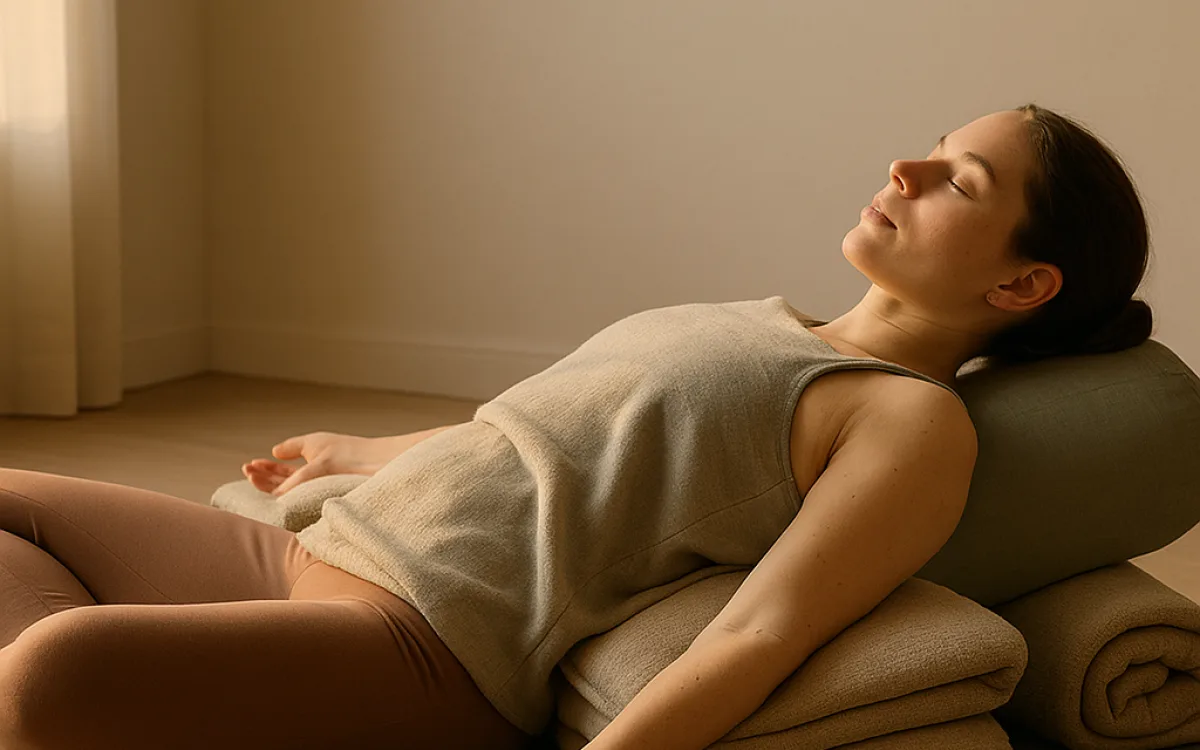
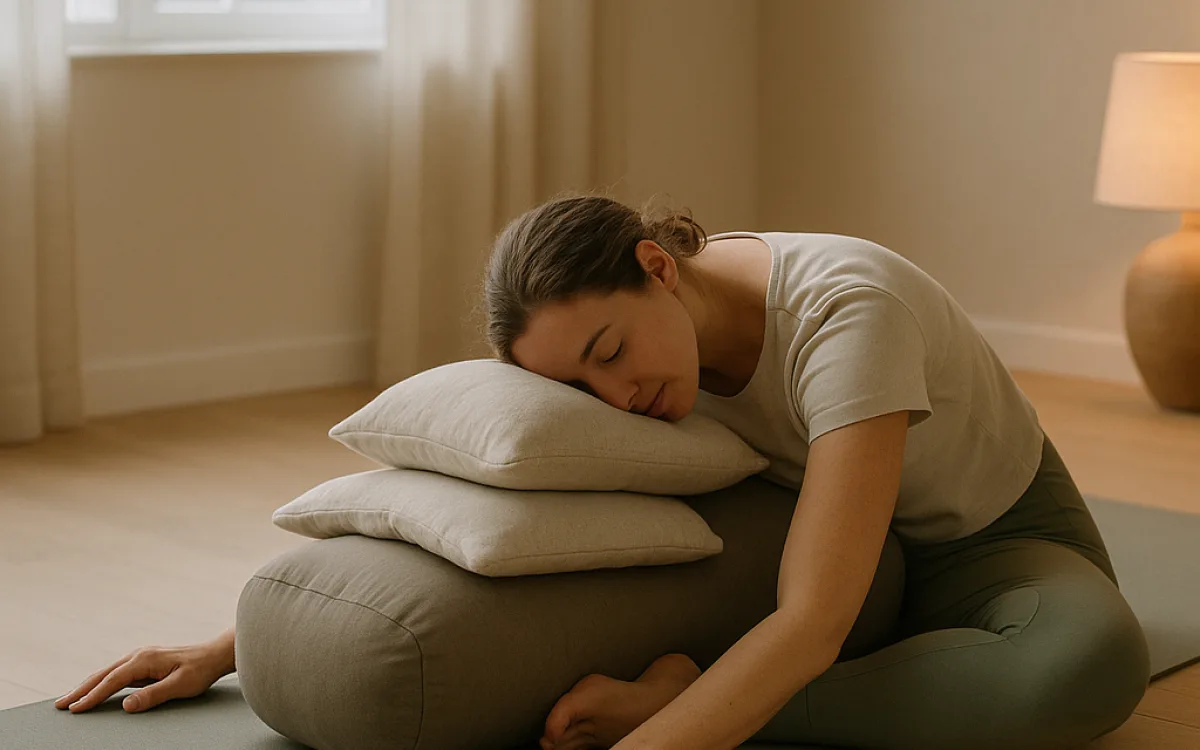
| Restorative | Still, fully supported | Recovery, exhaustion, sleep | Yes, at any stage |
| Iyengar | Slow, very precise | Alignment, injuries, older bodies | Yes — excellent if available |
| Ashtanga | Fast, fixed sequence | Discipline, strength, progression | Not first. Led beginner classes only |
| Hot yoga | Vigorous, hot room | Sweating, cardio | Not first |
| Kundalini | Repetitive, breath-heavy | Breathwork, meditation | Unusual; try after other styles |
Choose by what you want, not by what sounds impressive#
- Stiff from desk work: hatha or iyengar to learn, yin in the evenings.
- Stressed or sleeping badly: restorative or yin, plus breathing practice. Avoid hot and fast styles late in the day.
- Want a workout: vinyasa, after a month of something slower.
- Recovering from an injury: iyengar if you can find it, otherwise a small gentle class where the teacher can watch you.
- Over sixty or returning after a long break: hatha, gentle or chair yoga. All three are proper yoga, not a lesser version.
- Already strong and coordinated: you can reach vinyasa faster than most, but the shapes still need learning first.
The two most useful things to know about timetables#
Style names are less informative than two other pieces of information, and both are easy to get.
- The level. Beginner, foundations, level 1 and gentle tell you far more than the style name does. A gentle vinyasa is more suitable for a beginner than an advanced hatha.
- The teacher. Within any style, teachers vary more than the styles do. Email the studio, describe your situation in two sentences, and ask which class and teacher they would suggest. The quality of that reply tells you a great deal about the studio.
Styles to leave until later, and why#
- Ashtanga: a fixed, demanding sequence with many repetitions of chaturanga. Excellent later, rough as an introduction. If you want to try it, find a led beginner class rather than a self-practice room.
- Hot yoga: heat increases your range beyond what your joints are ready to control, and it makes it hard to tell hard work from distress. Learn the poses at normal temperature first.
- Aerial and acro: fun, and neither teaches you yoga.
- Power yoga: usually vinyasa with the modifications removed. Not a first class.
- Anything named as a challenge or a countdown to a specific pose.
How to decide this week#
- Book one class labelled beginner, foundations or gentle. The style name matters less than that word.
- Go three times before judging it. A single class tells you about that day, not the style.
- If it was too slow, try vinyasa next. If it was too fast, try yin or restorative. If it felt roughly right, stay for two months.
- Once you have a style that works, keep one class of the opposite temperament in your week — fast plus slow, or active plus passive. That combination is what most experienced practitioners settle on, and it takes years to arrive at by trial and error.
Frequently asked questions
What is the best yoga style for a complete beginner?
Hatha, or anything labelled foundations, level 1 or gentle. The common feature is that poses are held with pauses, which gives you time to hear the instruction and adjust. Iyengar is arguably even better if a class is available near you, because it is exceptionally precise about alignment and uses props extensively. Both are far more useful in a first three months than a flowing class.
Should beginners try hot yoga?
Not as a first class. Heat lets you move further than your joints are prepared to control, which is the mechanism behind a lot of hot yoga injuries, and it makes it hard to distinguish appropriate effort from distress. Learn the poses at normal temperature for a couple of months. After that, if you enjoy heat, it is a perfectly reasonable addition.
Can I mix different yoga styles?
Yes, and after the first couple of months you probably should. The pattern most experienced practitioners settle into is one or two active classes, one slow technical class and one passive session per week. Mixing from day one is less useful, because you learn faster by repeating one format until it is familiar.
which yoga style for beginnerstypes of yoga explainedhatha vs vinyasa vs yinbest yoga for beginnersyoga styles comparedis hot yoga good for beginners