Helpful yoga guides for beginners
View all guides
Benefits of Yoga for Beginners: What the Evidence Supports
Which benefits of yoga are well supported, which are plausible but overstated, and roughly when each one shows up in a beginner practice.
Your First Yoga Class: What Actually Happens
Where to stand, what to bring, what the Sanskrit means and what happens if you cannot do a pose. The unglamorous logistics nobody explains.
How Often Should Beginners Do Yoga? Frequency vs Length
Three short sessions beat one long one, and here is the physiological reason why — plus how to know when to add a fourth day.
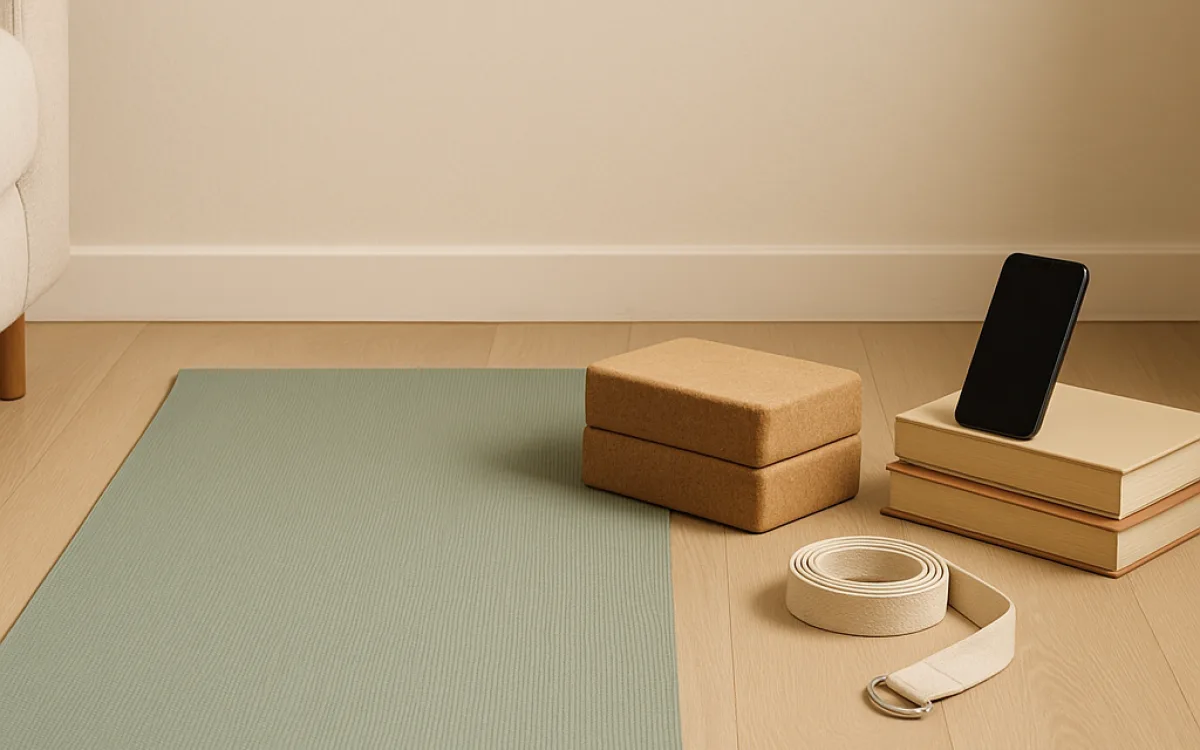
How to Start Yoga at Home: A Practical First Week
You do not need a studio, a teacher or a plan you will abandon. Here is how to set up a corner, choose a first sequence and get through week one.
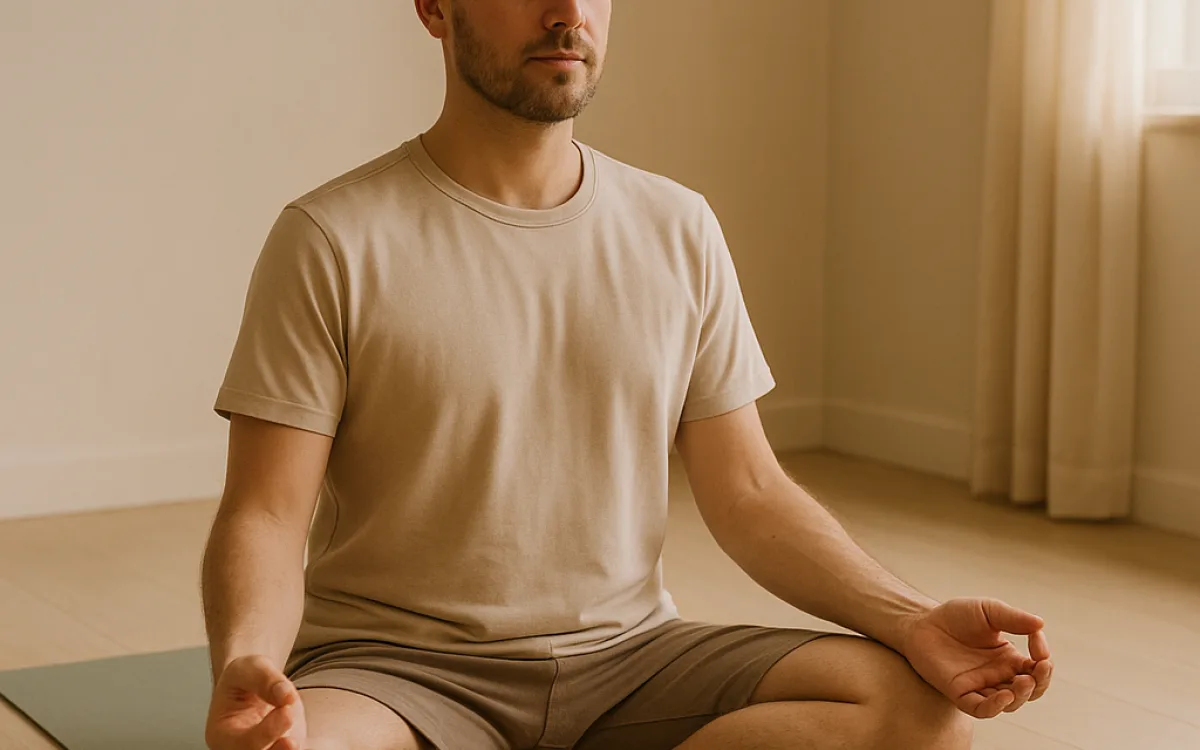
Yoga for Beginners: What Nobody Tells You in the First Month
What actually happens in your first month of yoga, what progress looks like, and the five expectations that make most beginners quit before week four.
Yoga styles, mats and props compared
View all style and gear guides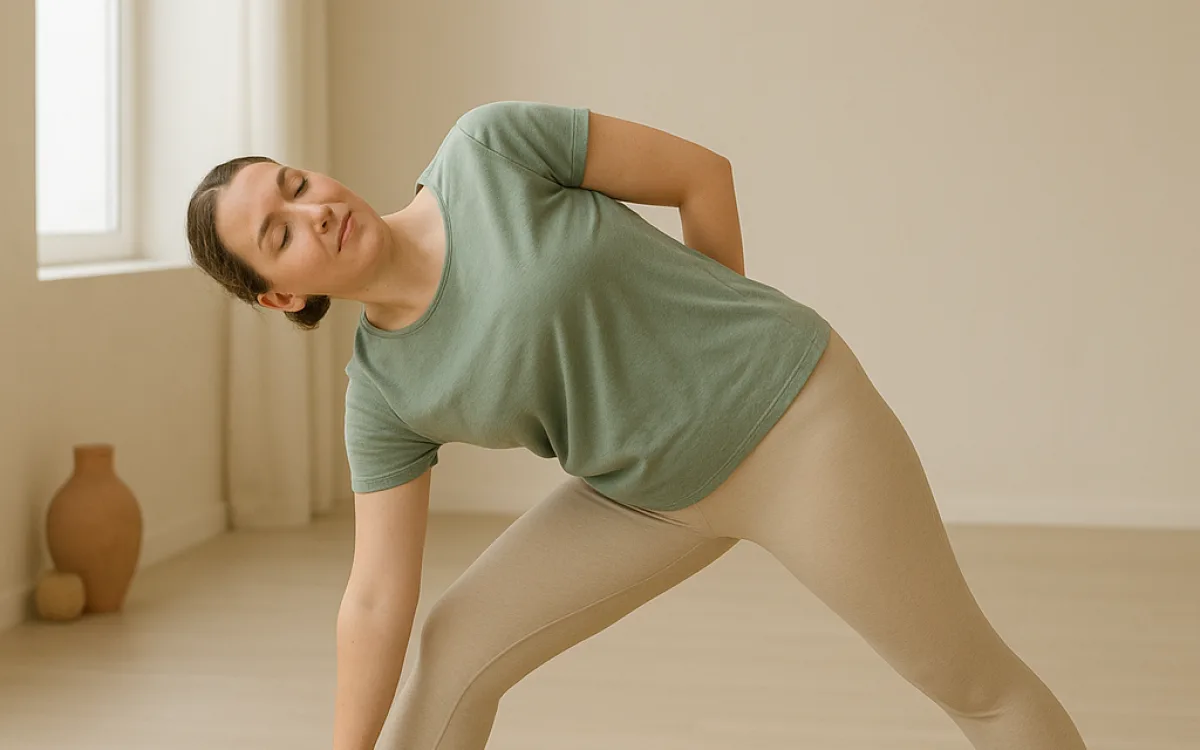
Yoga Safety: How Beginners Actually Get Hurt
Where yoga injuries really come from, which poses account for most of them, and the conditions that need a doctor before your first class.
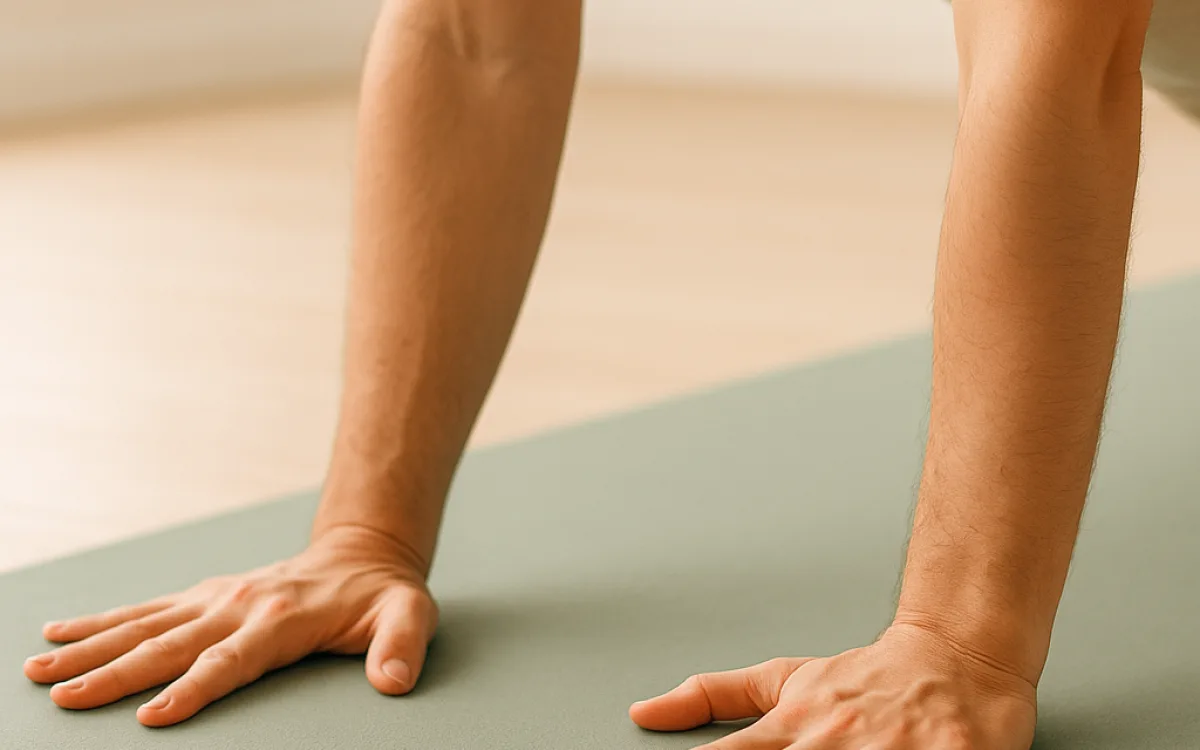
Common Beginner Yoga Mistakes and How to Fix Them
Ten mistakes almost every beginner makes, why each one happens, and the single correction that resolves it.
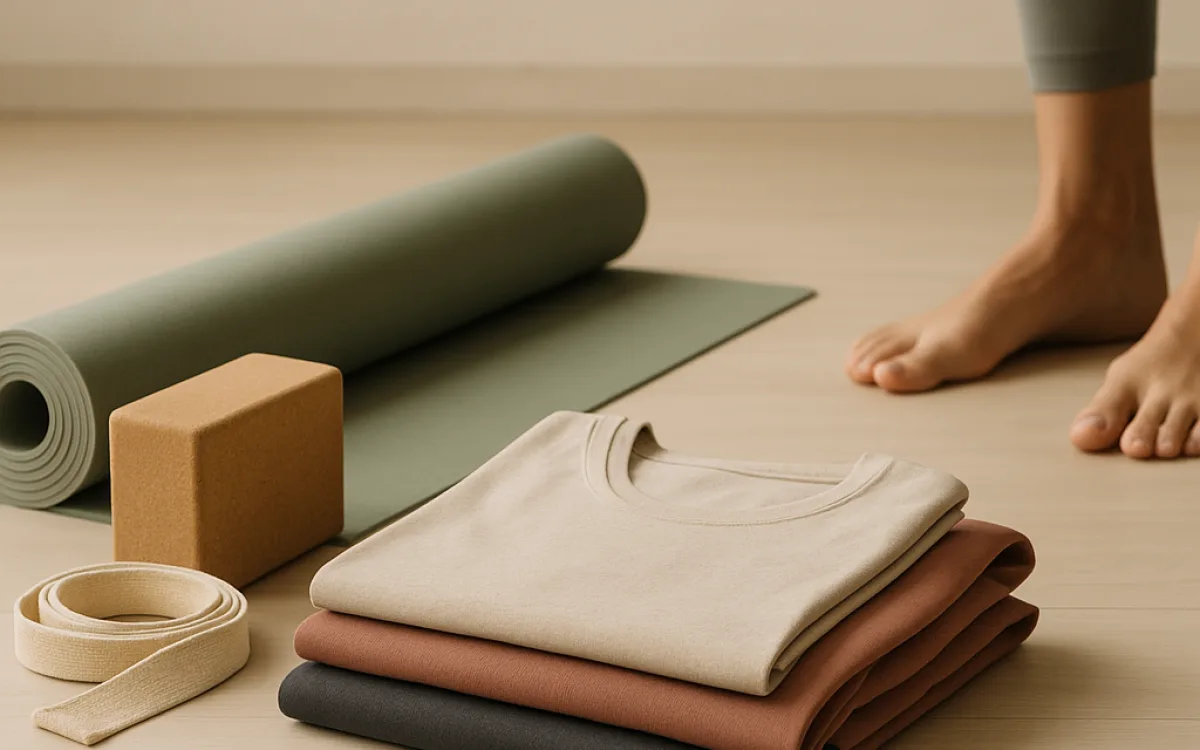
What to Wear to Yoga: The Only Three Things That Matter
Forget the brands. A top that stays put, a waistband that does not dig in and bare feet cover everything a beginner needs.
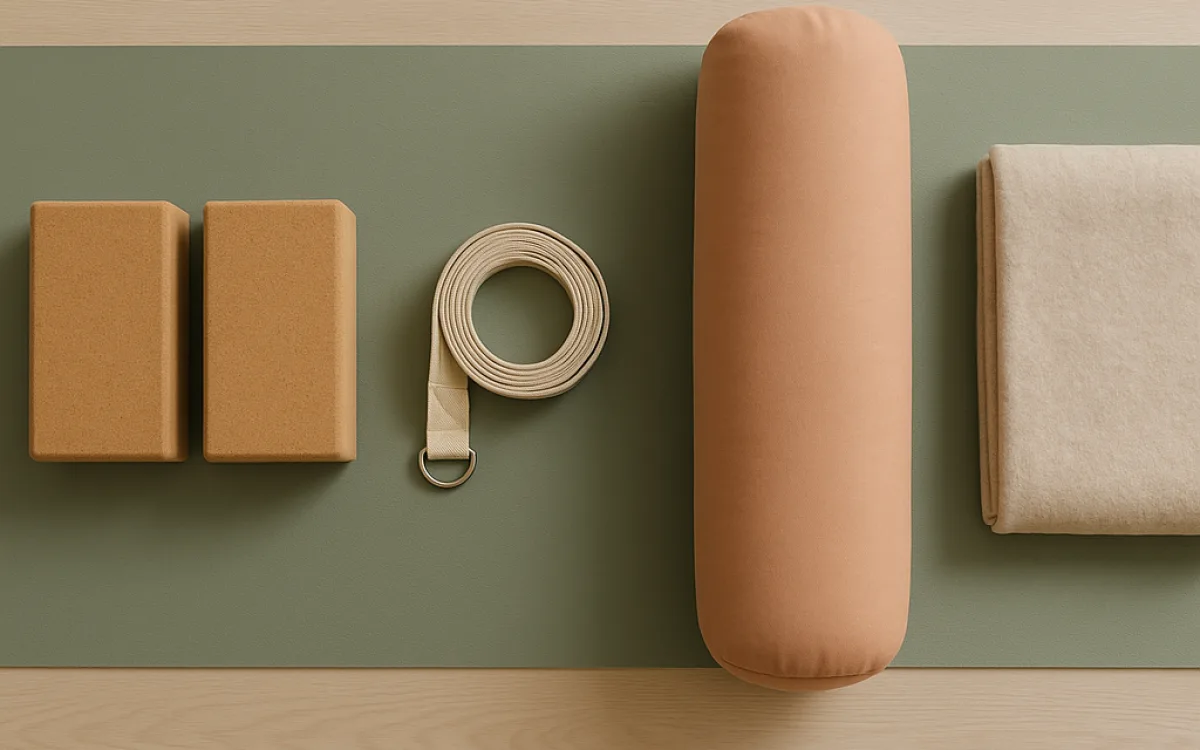
Yoga Props for Beginners: What to Buy and What to Improvise
Blocks change more poses than anything else you can own. What each prop does, what you can substitute from the house, and what to skip.
Explore more beginner yoga guides
Pose breakdowns, short home routines and honest style comparisons to help you build a practice that lasts past week three.
Browse all guides and routinesEvery guide we publish Get a personal starter planTell us your level and goal
Why read us first
- Every guide is written in house and reviewed by a qualified yoga teacher before it goes up.
- No studio, app or brand can pay for a mention, a ranking or a link on this site.
- Poses are described in stages, with the modification named before the full expression.
- Each guide says who a pose is not for, which is usually the more useful half.
- Every guide exists in twelve languages with its own URL, not a machine pop-up.
- Nothing is behind a signup: no email wall, no locked programme, no upsell.
Frequently asked questions
Can I start yoga if I am completely inflexible?
Yes, and that is the ordinary starting point rather than the exception. Flexibility is what yoga produces over months, not what it asks for on day one. Every beginner pose has a shorter version: bend your knees in a forward fold, keep your heels off the floor in Downward Dog, put a block under your hand instead of reaching for the ground. What matters is that the shape of the pose is right for your body today, not how far down you get. If you can breathe steadily and hold a position for five slow breaths, you are doing the pose correctly, whatever the photograph in the app looks like.
How often should a beginner practise yoga?
Three times a week for twenty minutes will change more than one ninety-minute class on a Sunday. Beginners underestimate how much of the early progress is nervous-system learning: your body has to recognise a shape before it can hold it comfortably, and that recognition comes from repetition rather than duration. A realistic first month looks like ten to twenty minutes on most days, one longer session if you enjoy it, and a rest day whenever you are sore in a muscle rather than a joint. Daily practice is fine too — yoga at beginner intensity is not something you need to recover from the way you would from lifting.
Which style of yoga is best for beginners?
Hatha is the safest default: slow, pose by pose, with time to hear the instruction and adjust before moving on. Vinyasa flows continuously and is more fun once you know the shapes, but as a first class it usually means copying the person next to you and learning bad habits. Yin holds passive poses for three to five minutes and suits stiff bodies and stressed minds, though it teaches you almost nothing about alignment. Restorative is entirely supported by props and is excellent for sleep and recovery. Ashtanga and hot yoga are demanding sequences with a fixed order — both are perfectly learnable later, and both are a rough introduction.
Do I need a mat and props to start?
A mat is worth buying and almost everything else can wait or be improvised. The mat matters because grip is a safety issue: hands sliding forward in Downward Dog is how beginners strain wrists and shoulders. Blocks are the second purchase and the one that changes the most poses, but two thick books do the same job for a month. A strap can be a belt or a towel. Skip the wheel, the special clothing and the app subscription until you have practised for eight weeks and know what you actually reach for.
How long before yoga makes a difference?
Sleep and stress usually respond within one to two weeks — that is the breathing and the nervous system, and it arrives before anything visible does. Mobility changes take about four to six weeks of regular practice: you notice it as reaching further in a forward fold or standing up from a chair more easily rather than as a dramatic new pose. Strength and balance take eight to twelve weeks. If nothing at all has shifted after three consistent months, the practice is probably too gentle, too short or too irregular — and that is a scheduling problem more often than a technique one.
Is yoga safe if I have back pain?
Often it helps, and a few poses reliably make things worse. Gentle mobility, cat-cow, supported bridge and a supine twist tend to relieve the common desk-related ache. Deep forward folds with straight legs, full wheel and aggressive twists can aggravate a disc problem, and no online guide can tell which category your back falls into. The rule is simple: pain that is dull, spreads across the muscle and eases as you move is usually safe to work with; pain that is sharp, shoots down a leg, or comes with numbness or tingling means stop and see a doctor or physiotherapist before your next session.